10 Key Takeaways for PR Pros from the 2024 Summer Olympics
 |
By Lauren K. Howard |
Already feeling withdrawal from the Summer Olympics? Heartwarming stories, feats of athleticism, and edge-of-your-seat finishes. How can we survive until the 2026 Winter Games in Italy!? Fortunately, there are plenty of takeaways for PR professionals from this summer’s event to last the next two years and beyond. Here are the top 10 to help you give medal-worthy public relations performances.
-
The Power of Storytelling
The Paris Olympics highlighted the power of storytelling, as athletes’ personal journeys echoed across the globe. There was the inspiration of the 37 athletes competing as part of the Refugee Olympic Team. Letsile Tebogo, winning Botswana’s first gold in honor of his mother, who recently died. And Simone Biles roaring back in gold-medal fashion from a mental injury in 2021. As PR pros, we need to focus on crafting compelling narratives that connect emotionally with audiences. Whether it is a brand feature or a crisis response, stories that resonate on a deeper level are invaluable.
-
Crisis Management Preparedness
Like any large-scale event, the Olympics faced its share of crises—from threats of transportation strikes to the Seine’s water quality. Olympic organizers and city officials collaborated to respond swiftly to emerging issues. Alternate plans and clear communication with the public limited these problems to minor headlines instead of out-of-control catastrophes. Every PR practitioner needs a well-developed crisis communication plan with people trained in how to respond. Remember, no organization is immune from a potential crisis.
-
Cultural Sensitivity and Inclusivity
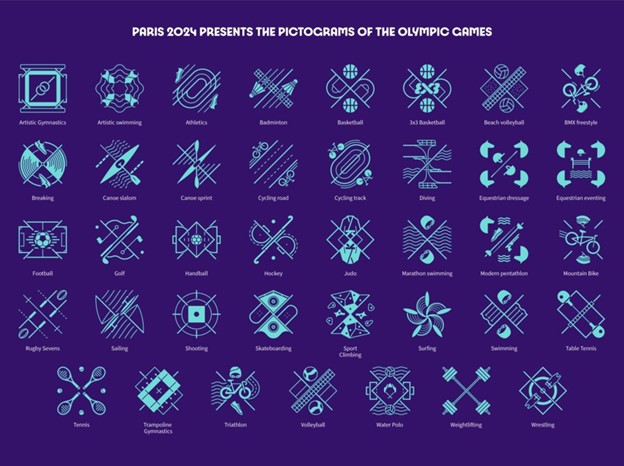
The diversity of athletes and cultures in Paris underscores the importance of cultural sensitivity and inclusion. While English and French are the official languages of the Olympic Games, thousands of languages are spoken between athletes and the more than 3 billion members of the viewing audience. An army of translators and language specialists descended upon the city in the weeks leading up to the Games to translate almost everything. The Olympic complex and surrounding areas became a multilingual melting pot. Pictograms, first introduced in 1964, bridged language gaps to identify all 62 events of the Olympic and Paralympic Games. The takeaway here is that knowing how to “speak the language” of our audiences—literally and figuratively—is key to a successful PR campaign.

-
Leveraging Real-Time Engagement
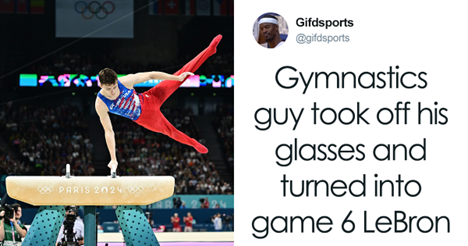
An unexpected hero of the Olympic Games was gymnast Stephen Nedoroscik. The Pommel horse specialist sparked hundreds of memes following his performance to clinch the U.S. men’s gymnastics team’s first medal in 16 years. From “napping” before mounting the apparatus, transforming from Clark Kent to Superman, and solving a Rubik’s Cube in under 10 seconds, Stephen became an immediate internet sensation. Brands and broadcasters quickly joined in on the joke. His story generated millions of engagements within hours. Great PR practitioners understand that an unforgettable story can emerge anywhere, anytime. Harnessing the power of these memorable moments can enhance a brand’s visibility and resonate with audiences in unexpected ways.

-
Sustainability as a Core Value
Stick to your values. Sustainability was a key theme at the Paris Olympics, influencing everything from venue usage to food preparation. The decision to use solar-powered stadiums and rent 2 million pieces of equipment set a new standard for sustainable event planning. Athletes even slept on recyclable beds and mattresses. According to PwC, consumers are increasingly prioritizing sustainability in their consumption practices with almost 50% trying to minimize their environmental impact with their purchases. That means audiences have an increasingly low tolerance for big-budget events generating excess waste, giveaways destined for trash cans, and eco-unfriendly initiatives. PR pros need to prioritize sustainability in campaigns to align with the growing demand for environmentally responsible practices.
-
The Importance of Visual Content
With stunning images of the Games broadcast worldwide, the Olympics reaffirmed the importance of visual content. The iconic image of the Eiffel Tower illuminated with Olympic colors became one of the most shared images of the event. How about that awe-inspiring Olympic cauldron balloon? Artificial Intelligence also played a significant role by adding visual content to broadcasts like world-record lines, 360-degree replays, and photo-finish analyses. High-quality images, videos, and graphics can capture attention and convey messages more effectively than text alone. Use them to enhance your storytelling.
-
The Power of Influencers
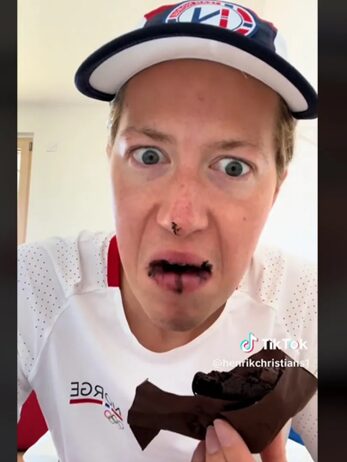
Athletes and social media influencers gave us a behind-the-scenes, real-life look at the Games—and audiences and brands alike loved it! U.S. women’s rugby player Ilona Maher offered comedic and inspirational content to her 2 million TikTok followers while promoting L’Oreal and Secret. Henrik Christiansen, a Norwegian swimmer, went viral as the “muffin man” for his odes to chocolate muffins in the Village. Content like this offered a free, unique way to consume the Olympic experience. Influencers are changing the way people access content. PR practitioners can benefit by collaborating with these “non-celebrities” who align with brand values to extend reach and credibility. You never know when you could become someone’s favorite muffin!

-
Data-Driven Decision-Making
Let the data dictate what you do. The use of data analytics for monitoring audience engagement and public sentiment during the Olympics highlights the importance of data in driving PR. Organizers and broadcasters used real-time data to adjust their communication strategies, such as shifting focus to more popular sports, preparing highlight reels, and adjusting feature story packages based on viewer metrics.
-
Collaboration and Partnership
The successful execution of the Olympics required collaboration among various stakeholders, including governments, sponsors, media outlets, and local businesses. For example, the partnership between the International Olympic Committee (IOC) and major tech companies like Intel led to innovative digital experiences for fans. From augmented reality tours to AI chatbots and immersive Snapchat filters, fans got a front-row seat to the Games. Savvy PR pros should seek out and nurture innovative partnerships to amplify their messages and expand their influence among target publics. As the adage says, if you want to go fast, go alone. If you want to go far, go together.
-
Adaptability and Flexibility
The unpredictable nature of the Olympics, from weather changes to COVID outbreaks, emphasized the need for adaptability. When heavy rain created problems for skateboarding and cycling, messaging shifted to emphasize athlete safety and delivering a top-notch experience for fans. One of the best aspects of PR is that there are no boring days. The Olympics serve as a great reminder to stay flexible, be prepared to pivot, and always know how to evolve your tactics.
Get Your Game Face On
The 2024 Paris Summer Olympics provided 19 days of lessons for public relations practitioners—along with all the nail-biting victories and heroic stories. By integrating these insights into our daily efforts, we can elevate our impact. You don’t have to be an Olympic athlete to inspire the world with your work. Your PR expertise will do just fine.